
The Nature of Luck in Gaming
Luck has always been a central theme in casino gaming, often perceived as a mystical force influencing outcomes. Many gamblers cling to the belief that luck can swing in their favor or against them, leading to a deep emotional connection with the game. This perception is not merely anecdotal; it has roots in psychological studies that explore how humans interpret randomness and chance. For instance, some players believe that platforms like 1win can enhance their luck, thereby enriching their overall gaming experience. By understanding this nature of luck, players can navigate their gaming experiences more mindfully.
In casino games, outcomes are often determined by random number generators or the shuffle of cards. However, these systems are designed to promote a certain degree of unpredictability, which is where luck comes into play. While the skill in games like poker can tip the scales, the sheer randomness of slot machines or roulette wheels epitomizes pure luck. This ambiguity about the role of skill and luck creates an engaging atmosphere, drawing players into a cycle of hope and anticipation.
Moreover, the emotional impact of luck in gaming cannot be overlooked. Players often speak of “good luck charms” or rituals performed before spinning a wheel or rolling dice. This belief in luck’s power often provides a sense of control where actual statistical odds may not favor them. Understanding that plays a significant role in not just the dynamics of the game, but also in the psychological state of the players is essential. Therefore, while luck is intangible, its effects can be very real, motivating players to engage and invest emotionally in the outcomes.
Quantifying Luck: Is It Possible?
The concept of quantifying luck may seem paradoxical, as luck itself is often defined as unpredictable. However, statistical analyses of casino games allow us to dissect the element of chance into quantifiable components. Mathematics plays a crucial role in defining the odds of winning and losing in both games of chance and skill. For instance, in games like blackjack or baccarat, probability theory can illustrate the likelihood of various outcomes, which, in a sense, provides a measurement of “luck.” However, it’s essential to recognize that these probabilities do not account for the emotional and psychological aspects of luck.
Some research suggests that understanding the statistical odds can help players become more strategic. For example, recognizing that the house edge in certain games is lower can drive informed choices about where to place bets. However, relying solely on statistics can also diminish the thrill that comes from the unpredictable nature of games. Hence, while odds can provide quantifiable insights into luck, they may not capture the entire essence of the gaming experience.
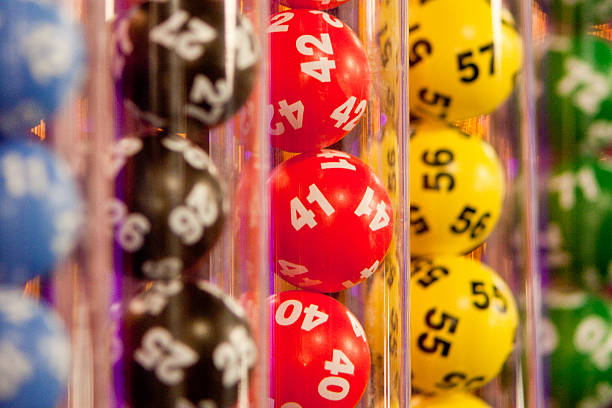
The challenge arises when players attempt to apply quantifiable luck in real-time decision-making. For example, a player may know that a certain slot machine has a payout percentage of 95%, technically giving them a favorable chance of winning. However, each spin is an independent event. This independence means that even with favorable odds, bad luck is just as likely to strike. In this way, the quantitative aspects of luck can lead players to misinterpret their relationship with chance, often leading to frustration when outcomes do not align with statistical expectations.
Gambling Strategies and the Role of Luck
Many gamblers employ strategies to mitigate the risk and potentially maximize wins, but these strategies often intersect with the concept of luck. In games like poker, understanding probabilities, betting patterns, and psychological cues can enhance a player’s odds of winning. A well-executed strategy can indeed provide a framework for success; however, the influence of luck can never be fully eliminated. In this way, luck acts as a wild card that can either propel a player forward or lead to unexpected losses.
For instance, in tournaments, players may face a diverse range of opponents, where luck in drawing cards or the timing of a crucial bet can fluctuate rapidly. Such scenarios demonstrate how luck can shape not only individual outcomes but also the overall trajectory of a player’s experience. Consequently, while strategies may create an avenue for success, they must coexist with an acceptance of the inherent unpredictability of luck.
Furthermore, the interplay between luck and strategy sparks a debate among players about what defines a “good” or “bad” gambler. Is it merely the volume of wins, or is there a deeper understanding of how luck operates within the context of each game? This question emphasizes the need for a balanced approach where players appreciate both their strategic abilities and the role that luck plays. Therefore, while strategic thinking is invaluable, recognizing luck’s role can foster a more holistic view of the gaming experience.
The Psychological Impact of Luck on Players
The psychology of luck in casino gaming can lead to a range of behaviors among players. Many gamblers experience emotional highs and lows tied to their perceptions of luck, leading to potentially harmful gaming habits. When players win, they often attribute their success to lucky streaks, reinforcing their belief in luck as a potent force. Conversely, when losses occur, it can lead to feelings of defeat and helplessness, often leading to chasing losses. This cycle demonstrates how the perception of luck can significantly impact a player’s mindset and decision-making process.

Understanding the psychological impact of luck also reveals how casinos capitalize on these beliefs. Many gaming environments are designed to create an atmosphere of excitement and possibility, enhancing the perception of luck. From flashing lights to celebratory music, these elements are crafted to elicit emotional responses that can blur the line between reality and expectation. This manipulation of perception can lead players to make decisions driven by emotion rather than logic, heightening both the thrill and the risks involved in gaming.
Moreover, responsible gambling practices emphasize the importance of distinguishing between luck and skill to foster a healthier relationship with gaming. By acknowledging that luck is inherently unpredictable, players can shift their focus from chasing wins to enjoying the gaming experience itself. This approach can help mitigate the psychological pitfalls often associated with gambling, fostering a more balanced and enjoyable gaming atmosphere for everyone involved.
Conclusion: Understanding Luck in Casino Gaming
In conclusion, the question of whether luck can be quantified in casino gaming reveals the complexity of chance and probability. While mathematical principles allow for the measurement of odds and potential outcomes, the emotional and psychological aspects of luck are much harder to define. Players’ beliefs about luck can greatly influence their experiences, leading to emotional highs and lows that impact their decision-making processes.
Ultimately, while casino games are designed with an element of luck that is often beyond player control, strategies and an understanding of probability can enhance the gaming experience. Understanding the dynamic interplay between luck and skill can lead to more informed and responsible gambling practices. As players gain insight into this relationship, they may find greater enjoyment in the gaming experience, regardless of the outcomes.
This website aims to provide valuable insights into understanding luck in casino gaming, alongside strategies that support responsible gambling practices. By fostering a balanced perspective on luck and skill, players can enhance their overall experience and maintain a healthier relationship with gaming. Our goal is to empower players with knowledge and awareness in their gaming journeys, so they can enjoy the thrill of the game while making informed decisions that align with their values and goals.
